{{ 'fb_in_app_browser_popup.desc' | translate }} {{ 'fb_in_app_browser_popup.copy_link' | translate }}
{{ 'in_app_browser_popup.desc' | translate }}
{{ childProduct.title_translations | translateModel }}
{{ getChildVariationShorthand(childProduct.child_variation) }}
{{ getSelectedItemDetail(selectedChildProduct, item).childProductName }} x {{ selectedChildProduct.quantity || 1 }}
{{ getSelectedItemDetail(selectedChildProduct, item).childVariationName }}
Ultralight Backpacking
Sharing practical techniques and information about implementing ultralight strategies.
With so much gear to bring into the mountains, how can you make your pack lighter? Most people might immediately think of spending money to upgrade to ultralight equipment. But if you ask an experienced ultralight backpacker, they’ll tell you the most important thing is this: developing an ultralight packing mindset.
Ultralight is one of HANCHOR’s core design concepts. At first glance, it might sound like an advanced idea. But in truth, ultralight simply means controlling the weight of your gear. And that’s something everyone does—it’s only a matter of degree.
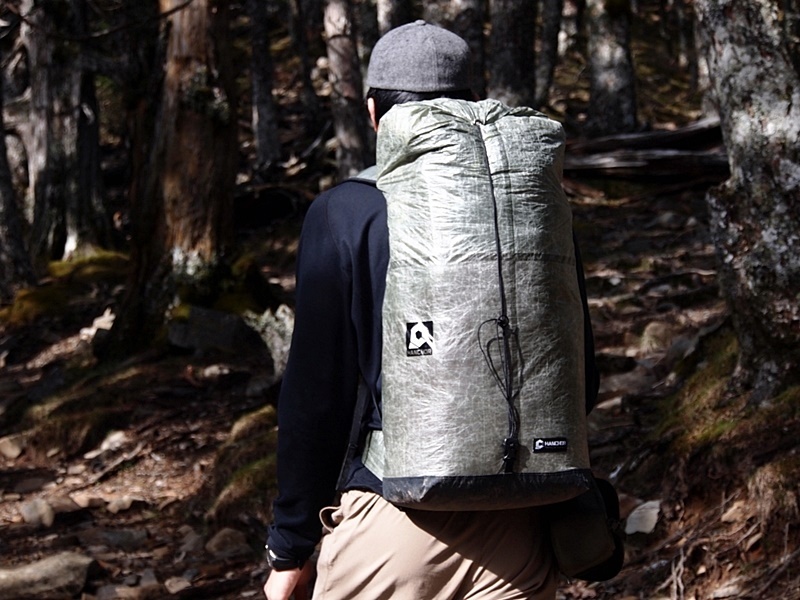
In the hiking world, the backpack, shelter, and sleep system are often referred to as the “Big Three.” These three typically make up the bulk of both the volume and weight of all gear. That’s why starting with these items when pursuing ultralight practices delivers the greatest benefits.
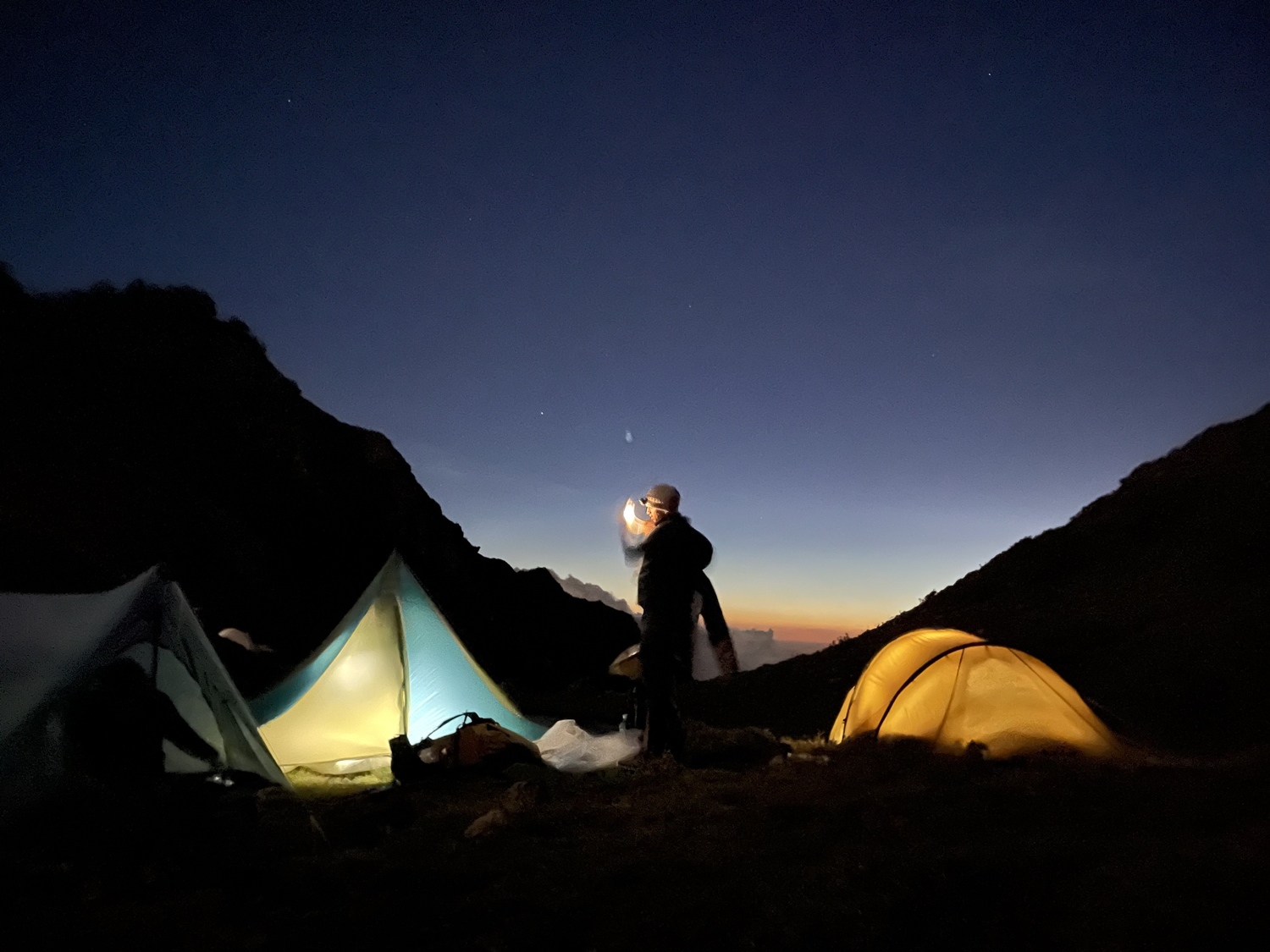
The shelter is often the most troublesome piece of gear for multi-day hikes: bulky in size, relatively heavy, and even more difficult to pack when wet. Carrying it can be a real burden, yet on trails without mountain huts, it remains an indispensable item. That’s why learning how to effectively reduce the weight of your shelter has become an essential challenge for hikers who are passionate about going light.
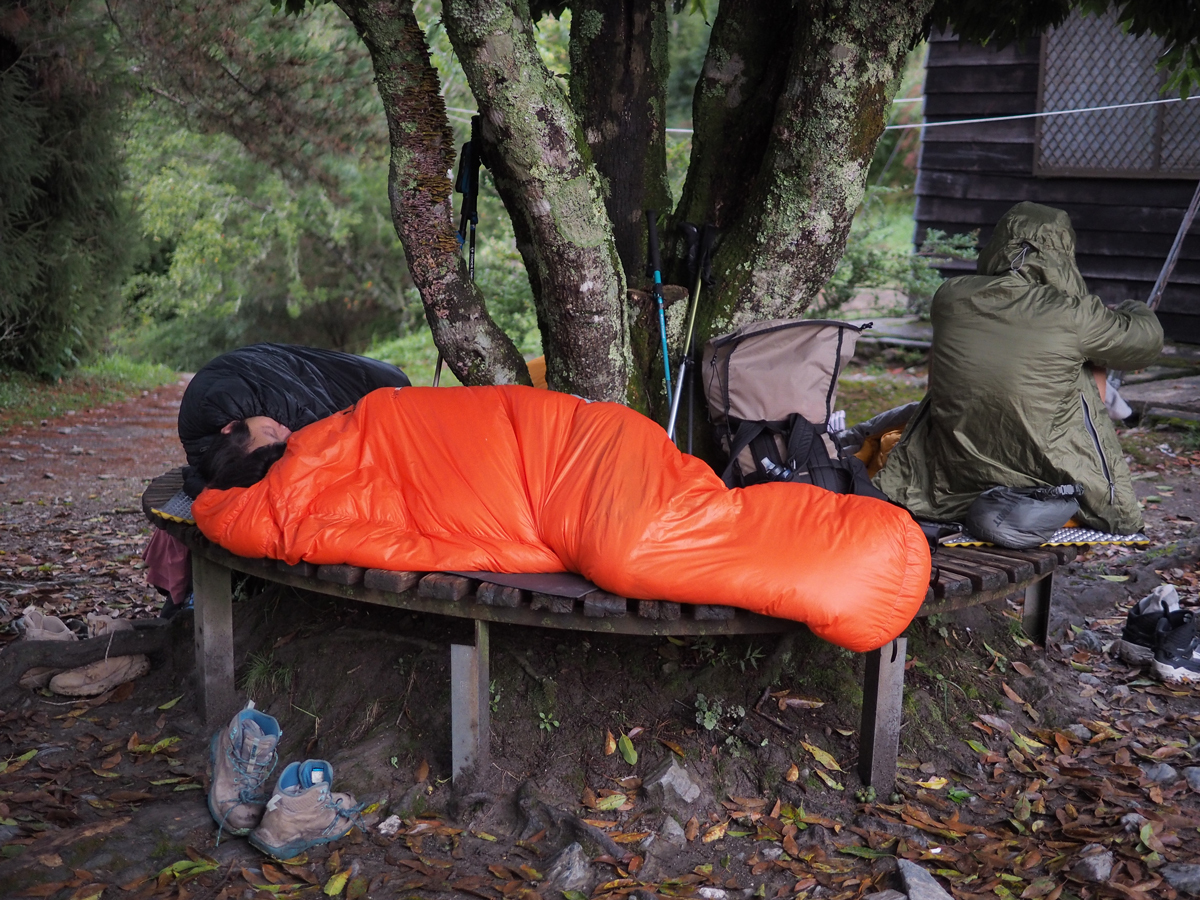
Sleeping gear takes up a significant portion of both weight and space in a backpack. Achieving the balance of carrying light while still staying warm is the ideal goal. Finding the sweet spot between ultralight principles and sleep comfort is a challenge worth thoughtful consideration and experimentation.