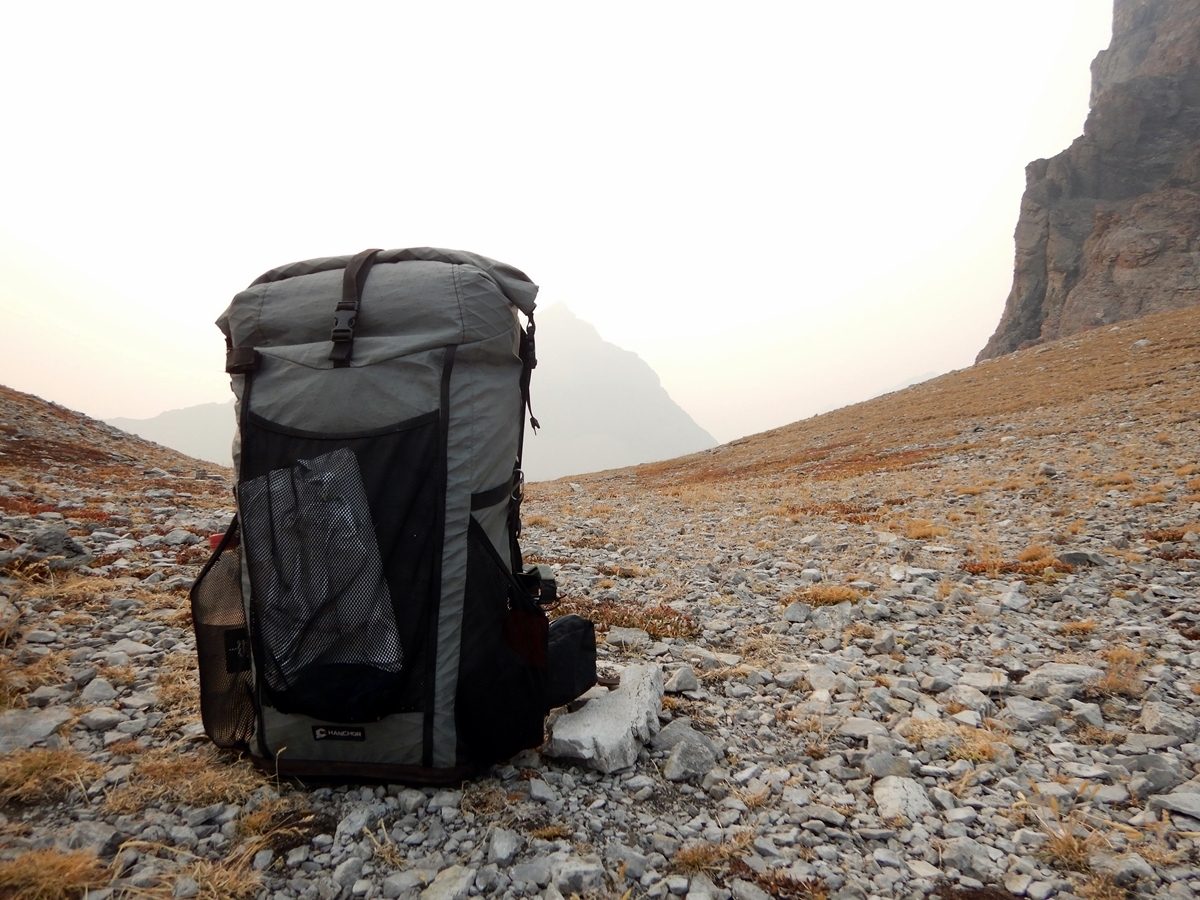
Backpacks are often referred to as the “mother of all gear.” On the trail, you might encounter hikers who forgot to bring various items—but they’ll always have a backpack.
So here comes the big question:
As a beginner, how should you choose your first hiking backpack?
Honestly, going up the mountain with a randomly chosen pack without doing enough homework is risky. Here are five key points to guide you in selecting the right backpack:
1. Suspension System
The presence of a suspension system is one of the biggest differences between a hiking backpack and a regular daypack. Compared to everyday backpacks, hiking backpacks place a higher emphasis on carrying comfort. A well-designed suspension system can distribute the weight of the pack to your core and torso, rather than relying solely on your shoulders.
This is especially important for overnight hikes, where the load is heavier and distances longer. Without a suspension system, bearing all the weight on your shoulders—as with regular backpacks—will quickly wear you out.
2. Backpack Size (Fit)
Even with a suspension system, a poorly sized backpack won’t carry comfortably. To function properly, the suspension system must match your torso length and waist size. Everyone’s body is different—no matter how well-designed a backpack is, if it doesn’t fit, it won’t work (like a helmet that doesn’t fit your head).
When choosing a pack, make sure to measure your body dimensions. Keep in mind that most outdoor brands are designed for Western body types, which may not fit everyone.
* Aside from the size, how you wear the pack also affects the performance of the suspension system. See our guide on “How to Wear a Hiking Backpack.“
3. Backpack Capacity
In the past, traditional overnight hikers needed to carry large amounts of gear, so 60L or 70L packs were the norm. But with modern trail infrastructure and advancements in gear design and materials, the volume required has dropped.
These days, 40L–50L packs are the mainstream choice. This size range works for most trip lengths—small enough to avoid excess space on shorter hikes and large enough to handle longer trips when packed efficiently.
* Backpack capacity isn’t standardized across brands. Check if the stated volume includes mesh pockets or only closed compartments.
* Choosing the right capacity also prevents overpacking, forcing you to pack intentionally and wisely.
4. Pack Weight
The pack’s empty weight is a key factor. It influences how much weight you’ll carry and how comfortable the overall experience will be. Generally, heavier packs have sturdier suspension systems, which can support heavier loads—but they also encourage you to carry more.
As a beginner, we recommend choosing a hiking backpack around 1 kg (2.2 lbs) in weight. These typically offer comfortable support for 10–20 kg (22–44 lbs) of gear. This strikes a good balance between weight and support, suitable for most hikes, and won’t become a burden over time.
5. Aesthetic and Style
Looks aren't everything—but they do matter. A pack that’s well-built on the inside but visually unappealing can still be off-putting. Since your backpack will accompany you on countless adventures, choosing one that suits your taste is important.
There are many outdoor brands and backpack styles—so pick one you like! While considering appearance, also think about your habits and needs, such as mesh pockets, hip belt pockets, or hydration system compatibility.