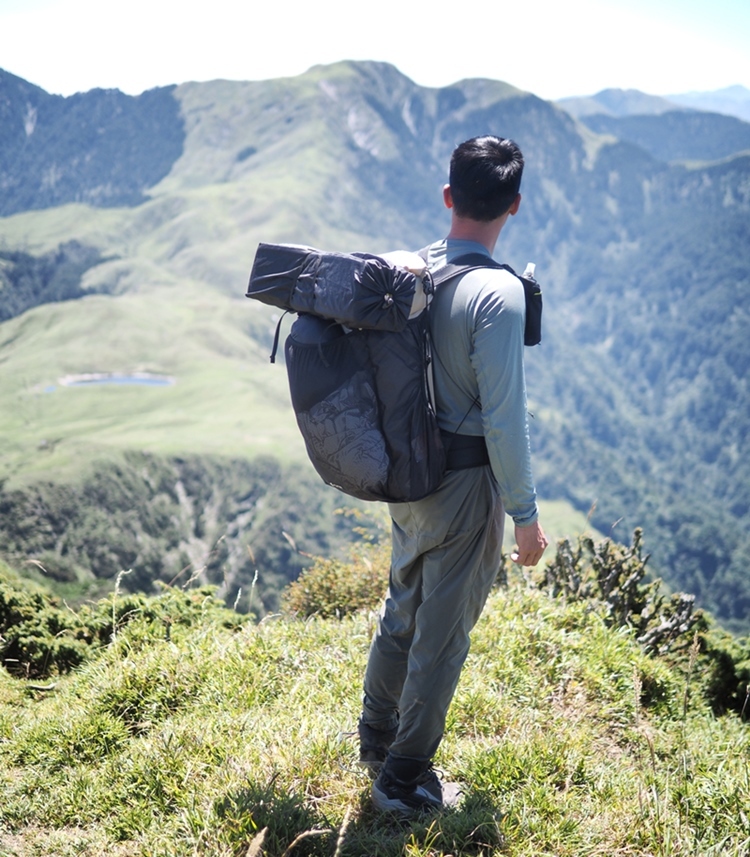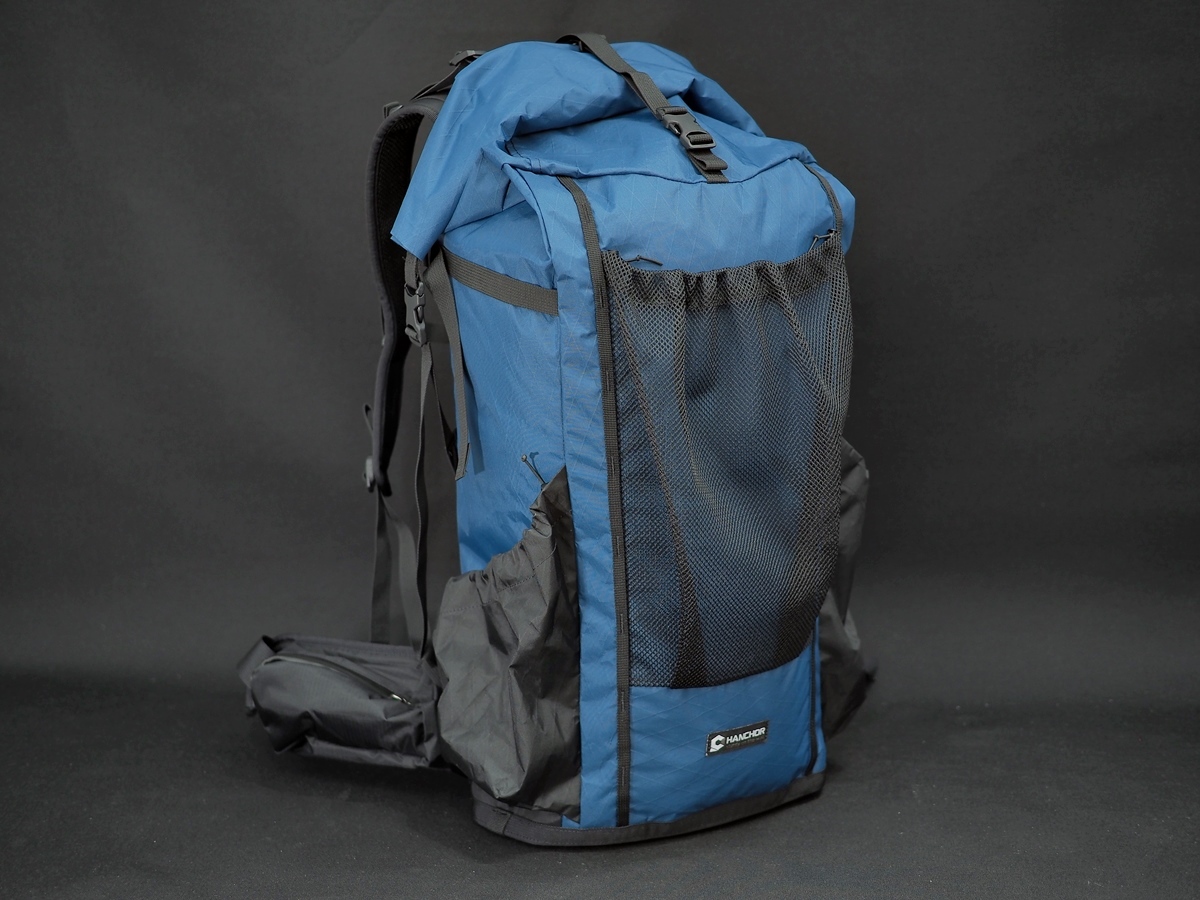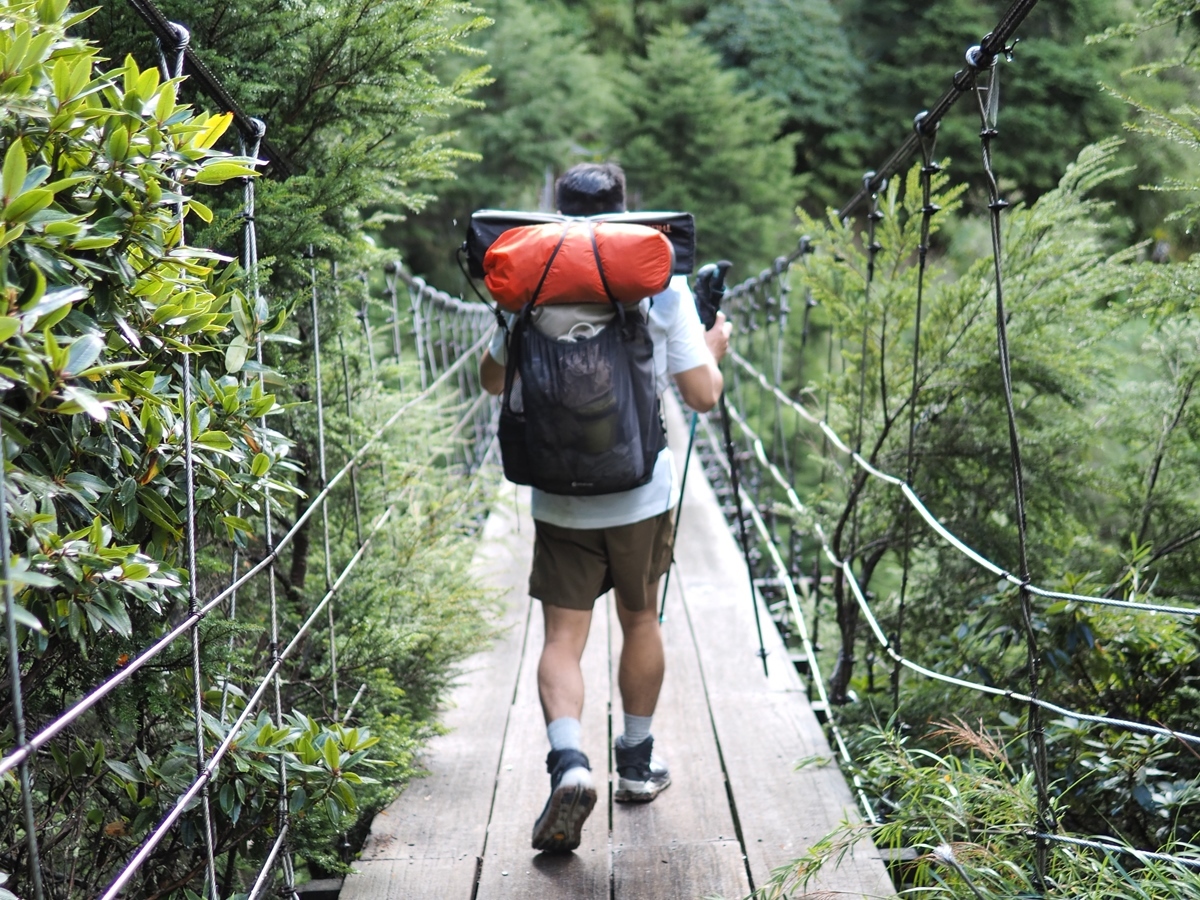
“ Why doesn’t it have a top lid? ” is probably the most common question we get from traditional hikers.
Actually, HANCHOR backpacks are a bit different from conventional packs—the main difference lies in the design philosophy of subtraction. We believe the top lid is one of the most easily replaceable components in a traditional backpack.
We’ll leave the design details for another time. What we really want to share is this: while many seasoned hikers take pride in hauling heavy loads, adopting a subtractive mindset can open up a much freer and more enjoyable outdoor experience. If you're willing to let go of old habits and explore alternatives, combining smart gear choices with solid techniques, you’ll find it’s totally possible to travel lighter and hike happier.
Start by imagining your most “extreme” hiking scenarios
In practice, we suggest looking at your previous trips and imagining the most extreme situations you might encounter. In those situations, anything extra becomes truly unnecessary.That’s why we believe: “The gear that’s just barely enough in your most extreme situation is the most appropriate.”
Of course, what qualifies as “barely enough” depends on your habits, skills, and experience—it takes personal awareness and fine-tuning over time to discover what really works for you.
For example, your pack is usually at its heaviest either at the start of the trip or during long water-carry days. So, a good rule of thumb is: choose a pack that can just barely handle that weight and volume.
This article focuses on load-carrying capability and volume as references for choosing a backpack. Other personal preferences like pocket layout, hydration sleeve, etc., we’ll leave for you to decide. For sizing and hipbelt adjustments, please check out our separate article.

Choosing by Carrying Capability
First, let’s debunk an old saying among traditional hikers: “The base weight of a pack doesn’t count.”
This mindset came from a time when gear across the board was heavier and ultralight techniques weren’t widely known. Traditional packs often prioritized comfort without regard for weight. Some still believe cutting base pack weight isn’t worth the effort.
But think of it like air travel: when you have a strict baggage limit, a heavier suitcase eats into your allowance. Similarly, while your body doesn’t enforce a strict weight limit, every extra gram adds more strain and increases safety risk in the mountains.
Rather than relying on heavy-duty suspension systems, the new generation of hikers is learning to pack smarter. They trust their own skills to balance lightweight design with real-world needs. They also clearly understand their maximum carry weight, and choose a suspension system that’s just enough for that specific case.
Even without scientific proof, many have heard the guideline: don't carry more than 1/4 to 1/5 of your body weight. If you weigh 60kg, aim for a total pack weight between 12–15kg. Following this, a pack that’s comfortable up to 15kg would be a great choice for a 60kg hiker. Of course, comfort is subjective and affected by packing skills, fitness, and hiking style.
That said, most of HANCHOR’s 1kg-range packs can comfortably carry 15–18kg, and even up to 20kg with proper packing. From our experience, a 1kg backpack hits the sweet spot for performance, comfort, and weight. If you want to go even lighter without sacrificing comfort, it’s possible—but it will involve removing more features and using thinner materials. That level of minimalism is best suited to advanced hikers who know their gear inside and out.
Choosing by Volume
Traditional hikers may suggest getting a larger pack so “you won’t run out of space.” But honestly, that’s often an excuse not to be selective with gear or develop efficient packing habits.
Instead, we recommend analyzing your most likely hiking scenarios—including gear, food, and weather—and determining the minimum volume you need to just barely get by in the most extreme case.
Remember: with the same suspension and materials, a larger pack will weigh more, and a smaller pack will carry closer to your body, improving balance and comfort.
A side note: since you’ll only need the maximum volume in rare situations, HANCHOR packs are intentionally designed with a compact base and expandable top section. That way, your pack is optimized for most of your trip, with extra space only when you really need it.
(P.S. Try to fill the top extension with low-density gear like puffy layers to keep the center of gravity low.)
Your pack is the “home” that holds everything you need on your journey—the gear that carries your gear.
We hope this helps you find the right one.