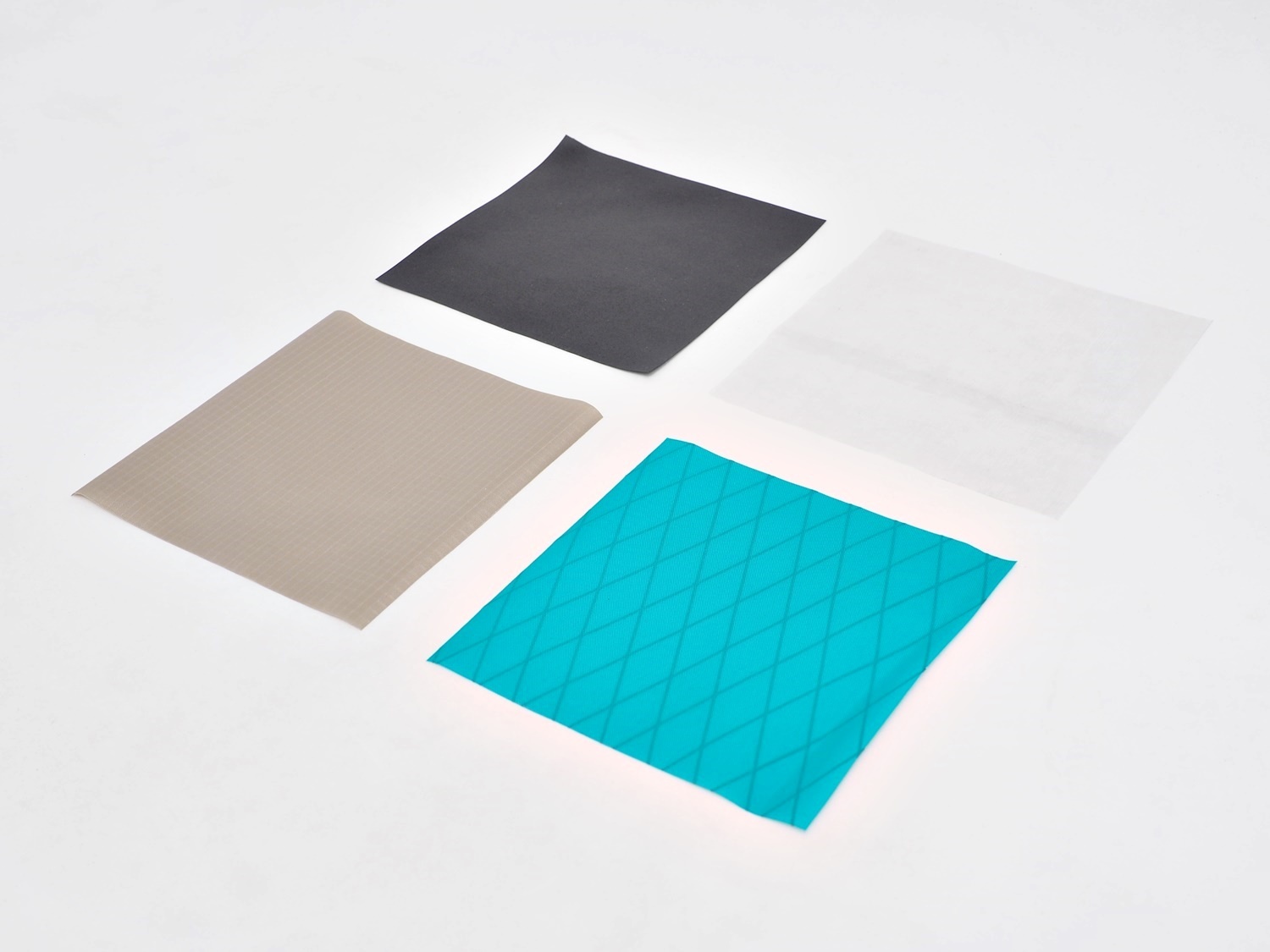
Fabric plays a crucial role in backpack manufacturing. Whether it’s weight specifications, design details, or visual appearance, all are closely related to the type of material used. This article analyzes four materials most commonly used in HANCHOR backpacks: X-Pac, Cordura, CTF3, and Nylon, aiming to help everyone better understand the materials and choose the backpack that best suits their needs.

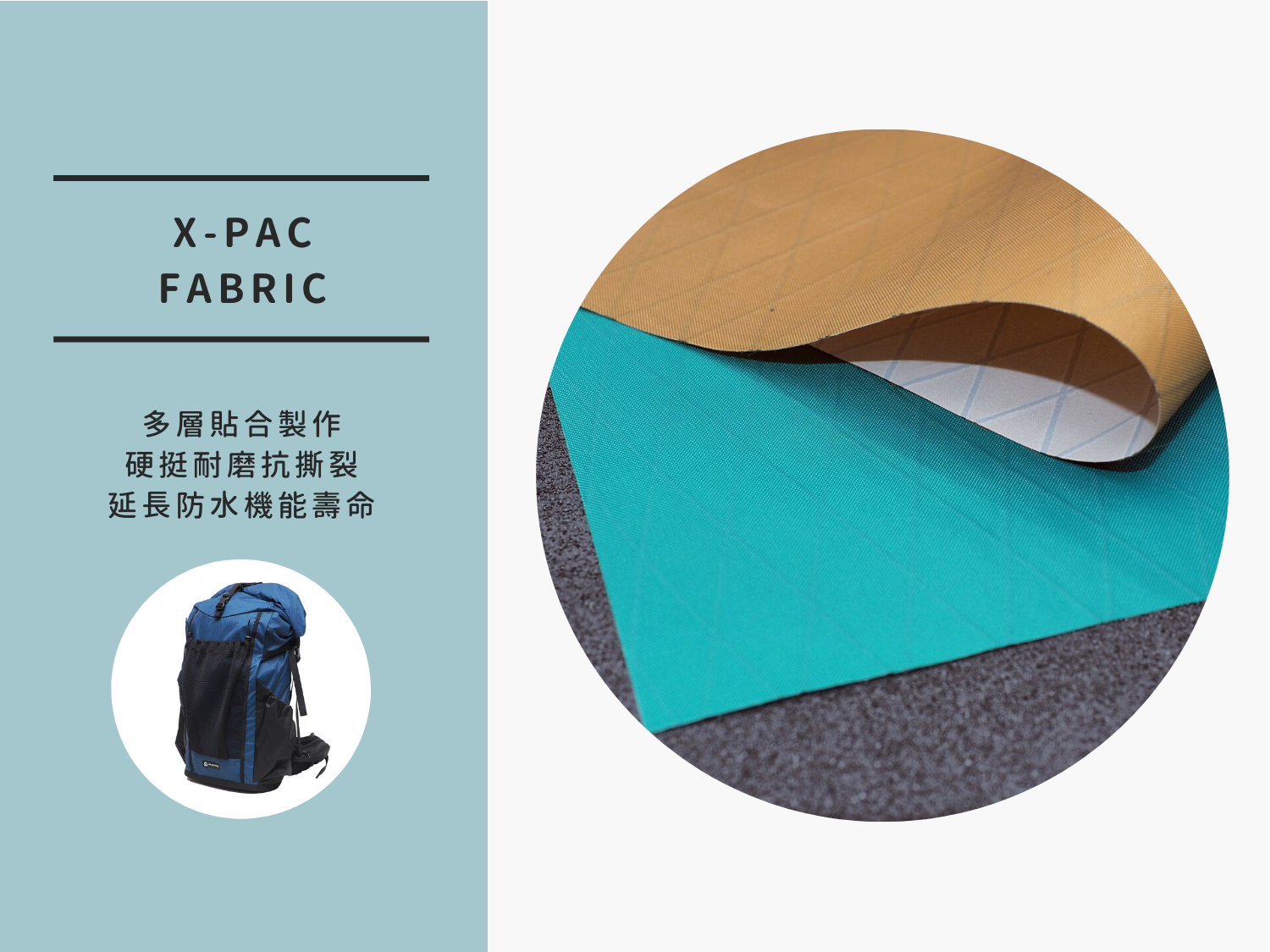
X-Pac is currently the main fabric used in HANCHOR backpacks. Originating from sail-making, X-Pac has recently been widely adopted in the lightweight gear industry, ideal for waterproof and lightweight pack designs. Unlike typical single-layer fabrics, X-Pac is made with multiple bonded layers, including an outer fabric, a 1680d X-PLY grid yarn, and a PET waterproof membrane. The VX series features an additional 50d polyester inner layer protecting the waterproof membrane, giving it stiffness and tear resistance. The fabric is highly recognizable by its diamond-patterned surface.
X-Pac is fully waterproof, with the membrane sandwiched in the middle, effectively preventing waterproof coating hydrolysis. This prolongs waterproof and weather resistance in humid environments like Taiwan. X-Pac is available in different thicknesses (VX07, VX21, VX42) depending on the bonded outer fabric layer. Lighter models are used for lightweight pack bodies, while thicker variants are used in high-wear areas like pack bottoms.
CORDURA, developed by DuPont in the USA, is a high-strength nylon fabric renowned for its abrasion and tear resistance. It is widely used by many brands and military forces globally in backpacks, footwear, and apparel.
HANCHOR’s CORDURA fabric features a robust air-jet textured nylon yarn for a rugged appearance and durability. The key enhancement is a military-grade coating on the fabric’s back that offers scratch resistance, abrasion resistance, and hydrolysis resistance, with an exceptional waterproof rating of 5000mm H2O. This military coating undergoes laboratory hydrolysis and abrasion tests, enduring repeated machine friction and prolonged exposure to high heat and humidity, effectively addressing coating hydrolysis issues in humid environments.
CTF3 (Dyneema Composite, Cuben Fiber)
CTF3 is a super lightweight nonwoven fabric highly regarded in the ultralight community. It is waterproof, UV resistant, and extremely light, with exceptional tear resistance and strength relative to its weight. Originally used for sailboat sails, CTF3’s properties perfectly suit outdoor gear, leading to its use in tent rainflies, climbing rope sleeves, and backpacks.
CTF3 features a unique crinkled and reflective surface. Although thin and lightweight like a plastic bag, it gains strength from embedded ultra-high molecular weight polyethylene fibers (UHMWPE). It is ideal for ultralight pack designs. HANCHOR currently uses CTF3 mainly in its super ultralight (SUL) series, including seamless ultralight storage sacks weighing less than 10g and the world’s lightest 17g Ballon climbing chalk bag.
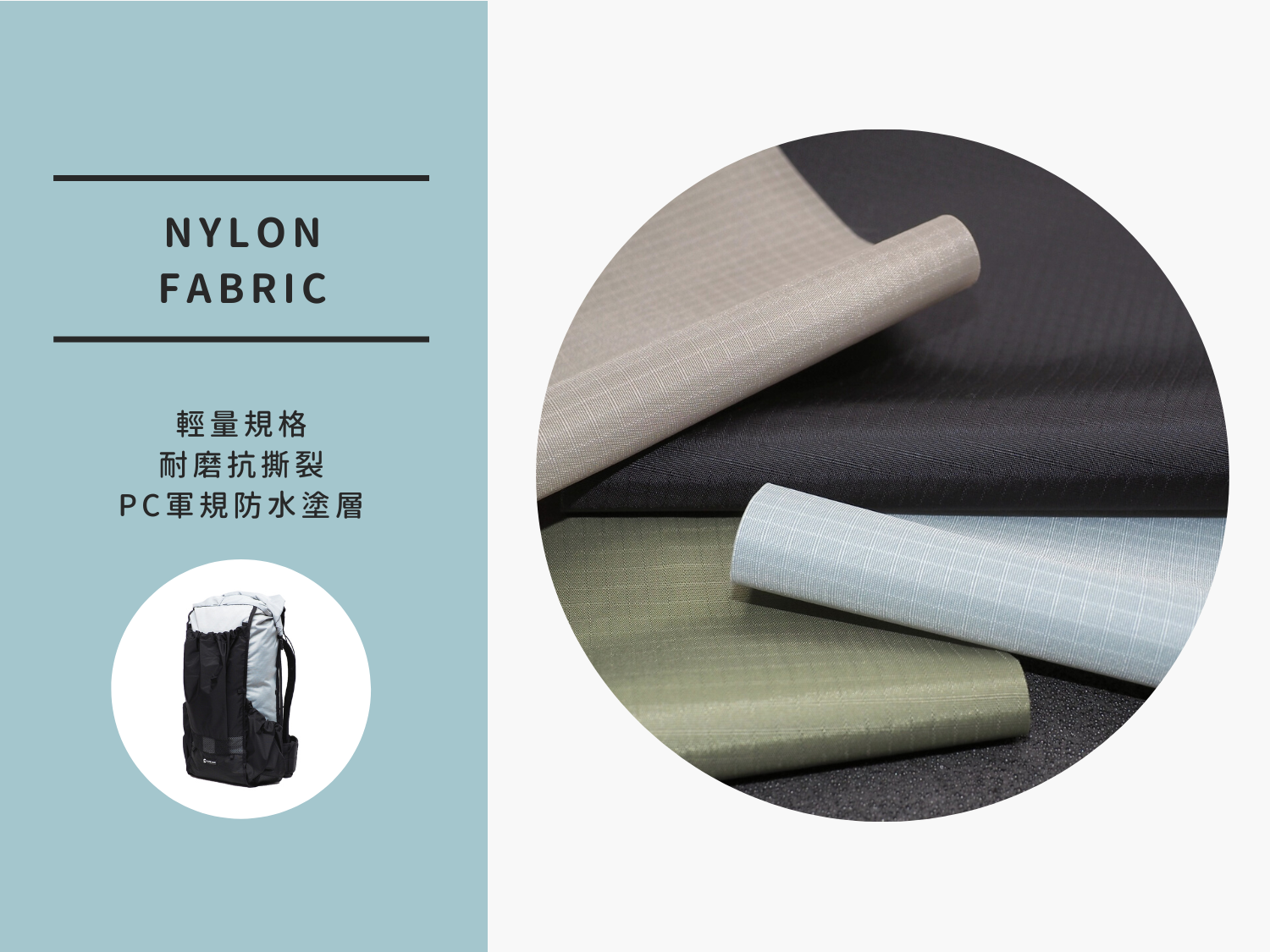
Nylon, also developed by DuPont, was originally heavier and tougher, but has since been refined into lighter and stronger varieties widely used today. Nylon is lightweight, durable, colorfast, and quick-drying. The "100D" specification denotes the denier count; higher denier means heavier fabric.
HANCHOR selects Nylon 100D with a PC (polycarbonate) scratch-resistant, abrasion-resistant, and hydrolysis-resistant coating, balancing lightweight properties with strength for outdoor use.