{{ 'fb_in_app_browser_popup.desc' | translate }} {{ 'fb_in_app_browser_popup.copy_link' | translate }}

{{ 'in_app_browser_popup.desc' | translate }}

Earlybird|Lightweight Duffel Backpack

The Best Travel Backpack

經典素黑回歸!最棒的旅行背包

Your Shopping Cart is empty.
{{ (item.variation.media ? item.variation.media.alt_translations : item.product.cover_media.alt_translations) | translateModel }} {{ (item.variation.media
                    ? item.variation.media.alt_translations
                    : item.product.cover_media.alt_translations) | translateModel
                }}
{{ 'product.bundled_products.label' | translate }}
{{ 'product.bundle_group_products.label' | translate }}
{{ 'product.buyandget.label' | translate }}
{{ 'product.gift.label' | translate }}
{{ 'product.addon_products.label' | translate }}
{{item.product.title_translations|translateModel}}
{{ field.name_translations | translateModel }}
  • {{ childProduct.title_translations | translateModel }}

    {{ getChildVariationShorthand(childProduct.child_variation) }}

{{ 'product.set.open_variation' | translate }}
  • {{ getSelectedItemDetail(selectedChildProduct, item).childProductName }} x {{ selectedChildProduct.quantity || 1 }}

    {{ getSelectedItemDetail(selectedChildProduct, item).childVariationName }}

{{item.variation.name}}
{{item.quantity}}x NT$0 {{ item.unit_point }} Point
{{addonItem.product.cover_media.alt_translations | translateModel}}
{{ 'product.addon_products.label' | translate }}
{{addonItem.product.title_translations|translateModel}}
{{addonItem.quantity}}x {{ mainConfig.merchantData.base_currency.alternate_symbol + "0" }}

Two-Track Suspension System Field Test


The Two-Track Suspension System is the primary carry design currently used in the HANCHOR Outdoor Series. It features shoulder straps that extend seamlessly like two rails along the entire back, a hip belt integrated through the lower end of the dual tracks, and removable aluminum stays—two vertical and one horizontal—that can be bent to fit the body. All of these components are sewn into a single back panel, creating a lightweight yet sturdy suspension system that allows the pack to rotate naturally with the torso.

In addition, the dual tracks on the back not only provide padded cushioning between the wearer and the rigid frame, but also create a height difference with the main back panel, enhancing airflow for comfort and breathability.

Based on test data, the average maximum comfort load of the Two-Track Suspension System is around 20 kg, though this depends on individual physical condition, habits, and packing skills. Here we’ve compiled multiple users’ carrying experiences as a reference when choosing a backpack.


Tested Pack: FLINT Modular Backpack

Tested Trip: 4-day mid-mountain exploration

Carried Gear: Sleeping bag, personal tableware, clothing, 8 packs of biscuits, 20m paracord, climbing helmet, one canister of mountain gas, 4L of water (in bottles), half an egg-crate sleeping pad, GPS, and plant collection tools (pruning shears, collection bags, collection board). (Heaviest load about 16 kg, lightest about 12 kg)

Carrying Experience:

Using a lightweight backpack helps me stay mindful of weight reduction while packing. To improve comfort, I placed the egg-crate pad inside the pack against the back panel, serving as cushioning between the contents and my back. At this trip’s load, carrying felt very comfortable, making the entire hike feel lighter overall. Whether traversing terrain or walking, I barely felt the burden of the weight.

With a 4-day group trip’s load, the pack still had extra space, especially considering the 4 liters of water required this time. Even without expansion accessories, the FLINT backpack should be sufficient for a 5–6 day trip. However, for expeditions longer than a week, I would likely switch back to my heavier pack.


Tested Pack: CHERT Climbing Backpack

Test Trips:

  1. Baxishong – 2 days, 1 night

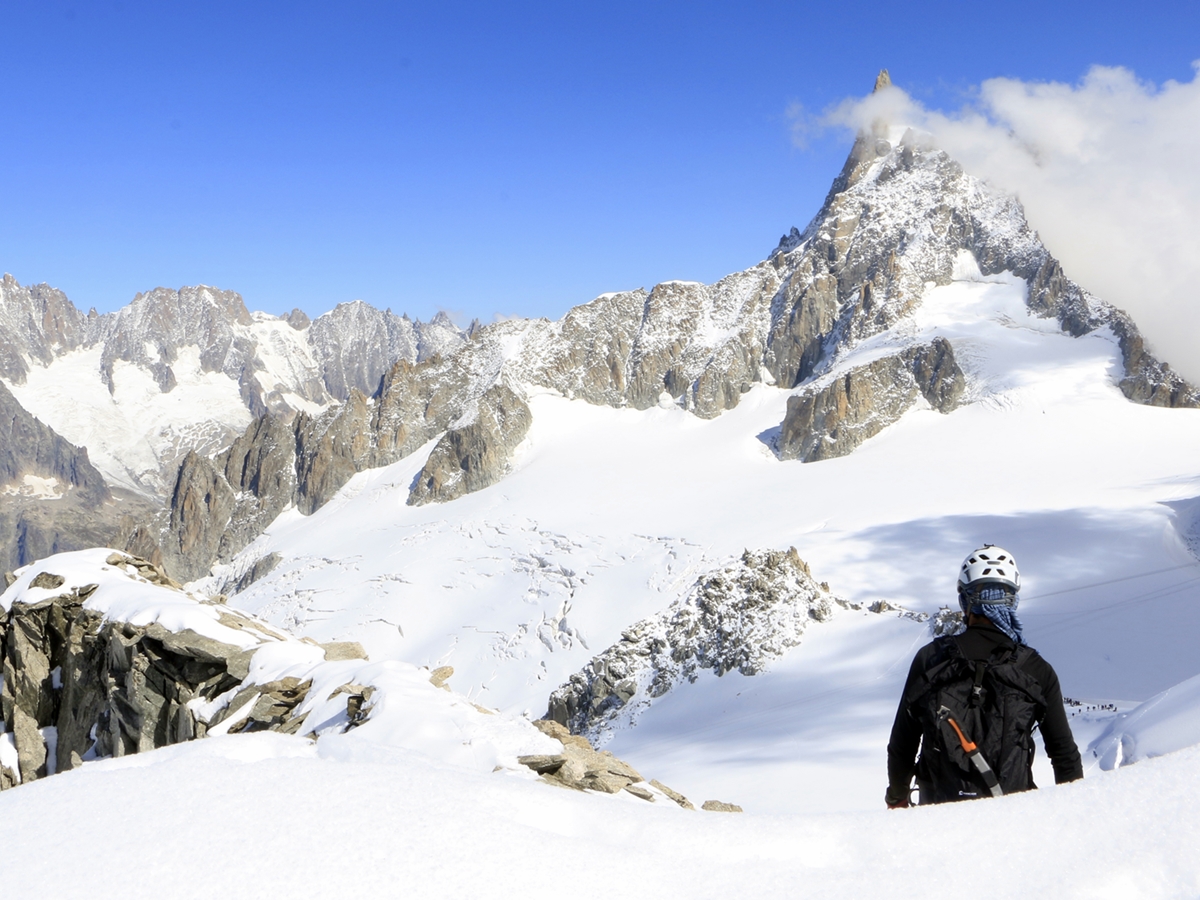
  2. Chamonix region

Carried Gear:

  • Trip (1): Standard personal gear, flysheet, group food, gas canister, cookware, first aid kit.

    • Heaviest load: ~18kg

    • Lightest load: ~15kg

  • Trip (2):

    • Heavy load: 4–5 days of food and gas, climbing hardware, ice axe, crampons, rope, BD Megalight, general mountaineering gear.

    • Light load: Gore-Tex jacket and pants, down jacket, bivy sack, trail food, thermos, first aid kit, satellite phone, DSLR camera.

    • Heaviest load: ~20kg

    • Lightest load: ~5kg

Carrying Experience:

Most traditional heavy packs leave a noticeable gap at the lumbar area, whereas the Two-Track carrying system fits the body more closely, creating a feeling of moving as one with the pack. On the other hand, while heavy packs often come with thicker hip belts, the weight is not necessarily better distributed. In fact, overly stiff hip belts can loosen over time, requiring frequent readjustment. In comparison, the CHERT’s hip belt, though thinner, conforms well to the body and transfers much of the load effectively to the lumbar region.

My heaviest load with this pack was 28kg. From my experience, the Two-Track system’s comfort limit is around 25kg. For expeditions requiring sustained loads over 25kg on multi-day traverses, I would switch to a traditional heavy-duty pack, as I once experienced fabric damage from prolonged overloading.

In Chamonix, the heavy-load periods were relatively short, and most of the time I carried the pack in a roll-down “compact mode.” I even removed the aluminum stays to make it lighter. My packing principle was to fill gaps tightly and keep the weight close to the back, which gave the pack solid support. For lighter loads, I simply rolled the pack down to its minimum size and tightened the compression straps, which worked very well.


Tested Pack:  XENO River Climbing Backpack

Tested Trips: Nine-day traverse of Dajiao and Xiaojiao Lakes / Great Wall survey

Carried Load: Standard personal gear, sleeping kit, food, slippers (heaviest load about 16kg)

Carrying Experience:

This pack is very light in spec (the body itself weighs 765g) and not too large in capacity. When I carried it, I didn’t feel a big difference in balance depending on where the weight sat. Since the trip required quite a lot of gear, I spent extra effort on packing and attached several lighter items externally. In contrast, with traditional large packs, I used to just stuff things in randomly.

Over time, I got used to it and started packing according to the gear I would need access to while on the move. For me, the maximum comfortable load is around 16kg. At or below this weight, carrying feels very comfortable—almost weightless, like moving with ease.