{{ 'fb_in_app_browser_popup.desc' | translate }} {{ 'fb_in_app_browser_popup.copy_link' | translate }}

{{ 'in_app_browser_popup.desc' | translate }}

EARLYBIRD |CAST Quick Access Camera Holster

The Best Travel Backpack

Your Shopping Cart is empty.
{{ (item.variation.media ? item.variation.media.alt_translations : item.product.cover_media.alt_translations) | translateModel }} {{ (item.variation.media
                    ? item.variation.media.alt_translations
                    : item.product.cover_media.alt_translations) | translateModel
                }}
{{ 'product.bundled_products.label' | translate }}
{{ 'product.bundle_group_products.label' | translate }}
{{ 'product.buyandget.label' | translate }}
{{ 'product.gift.label' | translate }}
{{ 'product.addon_products.label' | translate }}
{{item.product.title_translations|translateModel}}
{{ field.name_translations | translateModel }}
  • {{ childProduct.title_translations | translateModel }}

    {{ getChildVariationShorthand(childProduct.child_variation) }}

{{ 'product.set.open_variation' | translate }}
  • {{ getSelectedItemDetail(selectedChildProduct, item).childProductName }} x {{ selectedChildProduct.quantity || 1 }}

    {{ getSelectedItemDetail(selectedChildProduct, item).childVariationName }}

{{item.variation.name}}
{{item.quantity}}x NT$0 {{ item.unit_point }} Point
{{addonItem.product.cover_media.alt_translations | translateModel}}
{{ 'product.addon_products.label' | translate }}
{{addonItem.product.title_translations|translateModel}}
{{addonItem.quantity}}x {{ mainConfig.merchantData.base_currency.alternate_symbol + "0" }}

Basic Concepts of Hiking and Trekking

Walking is a necessary process for every hiker or mountaineer to reach their goal. Learning how to move safely and efficiently on the trail is an important skill. Here are several seemingly basic yet essential concepts for hiking. “A journey of a thousand miles begins with a single step”—by accumulating experience step by step, you make your path toward the mountains safer.

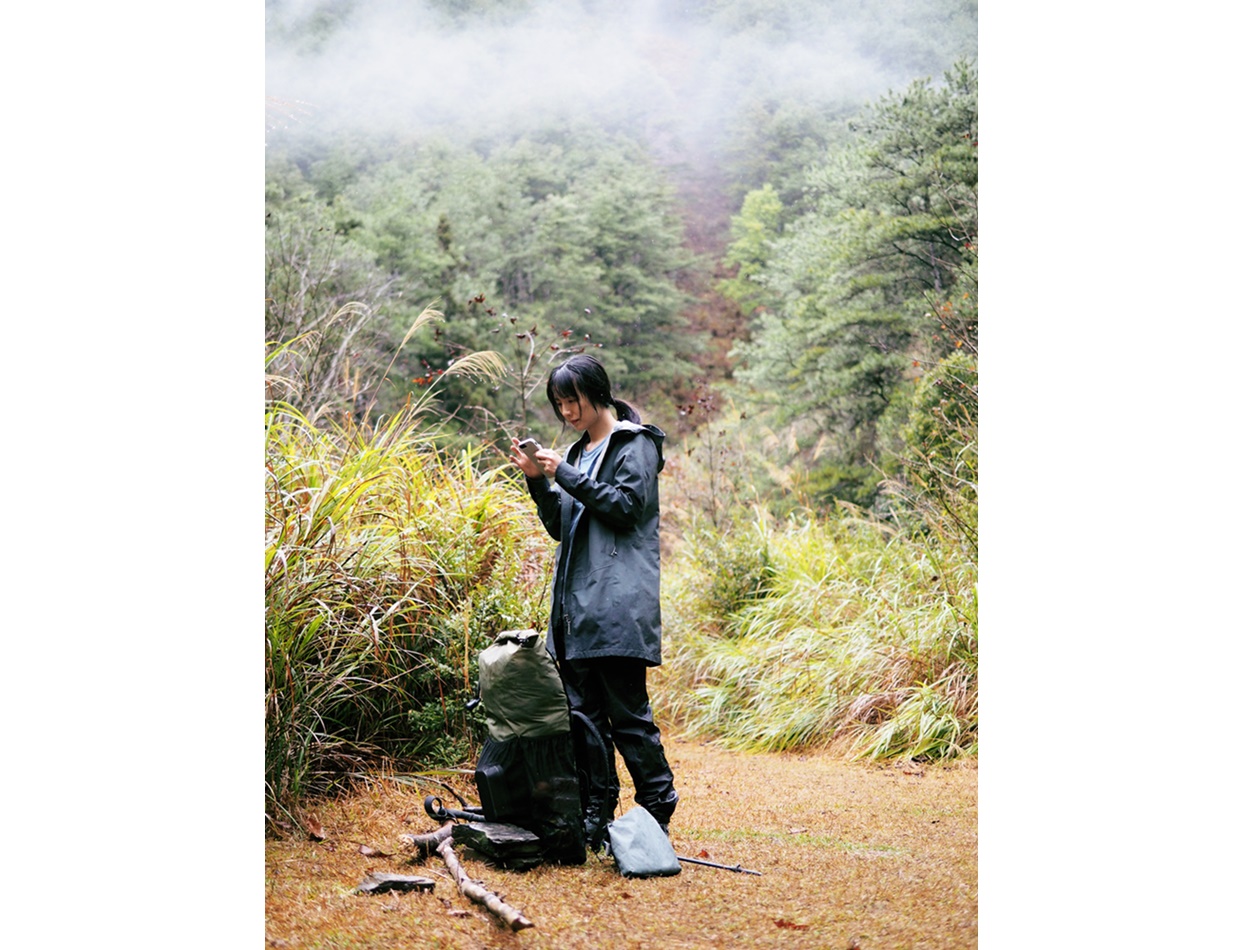
Regularly check your route direction
On well-established hiking trails, navigation is generally not too difficult, as there are often man-made markers or trail ribbons left by other hikers. However, it is still possible to unintentionally stray from the main path (for example, mistaking game trails or hunting paths for the hiking trail). Therefore, preparing a map or downloading a GPS route before hiking is absolutely necessary. Always stop and check your map whenever you’ve traveled a certain distance or feel uncertain about your direction. Don’t let laziness or overconfidence cost you time correcting your path—or worse, getting lost.


Find a walking pace that suits you
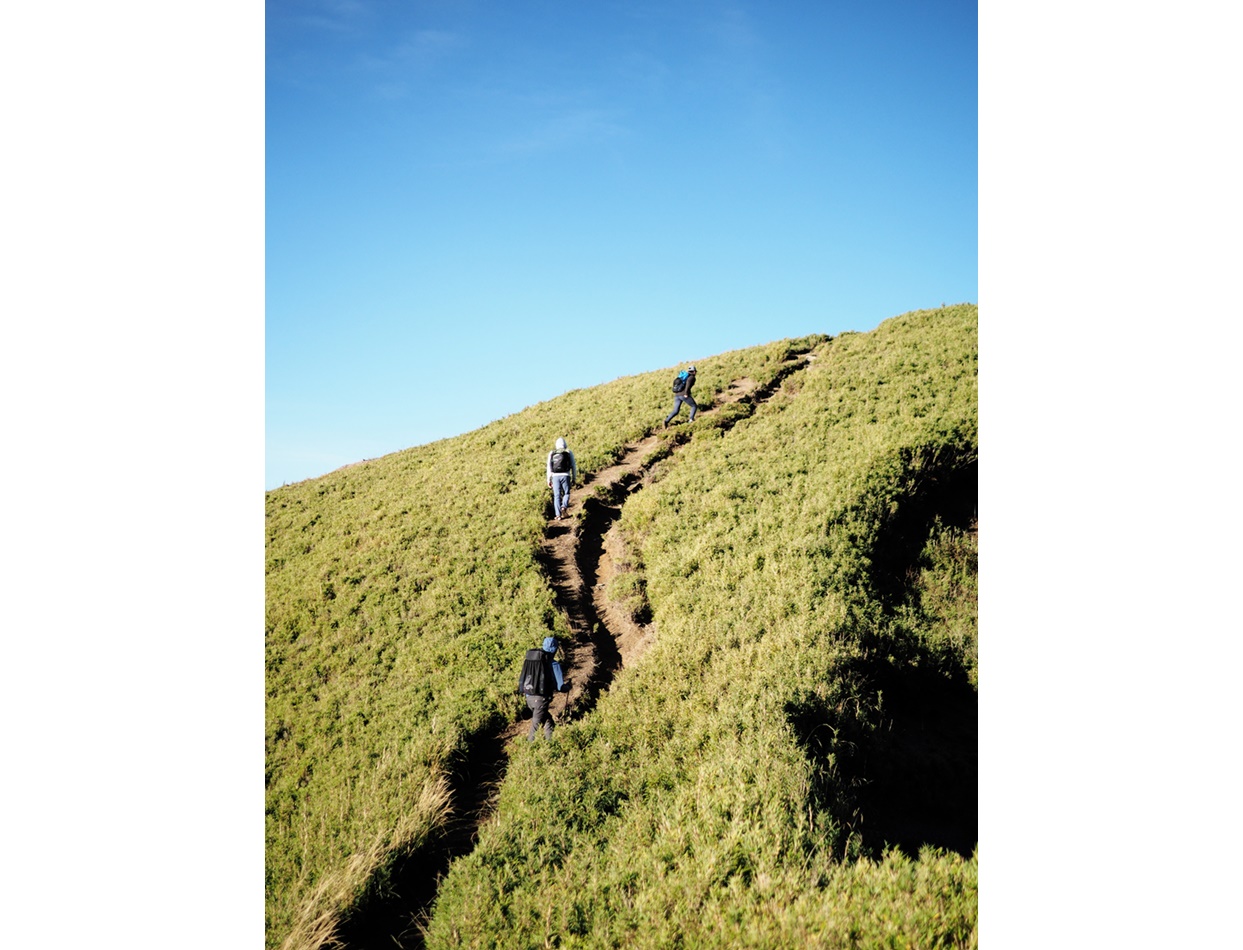
Everyone walks at a different speed. Discovering a comfortable pace allows for more efficient energy use and longer distances. At the beginning of a hike, it’s recommended to start slowly. After about 15 minutes (varies by person), once your body warms up, try to find a pace that doesn’t overly strain your breathing and maintain a steady rhythm. When going uphill, there’s no need to take long strides; use shorter steps to keep your breathing and pace steady. With each hike, you’ll gain experience and gradually find the walking rhythm that works best for you.


Keep a communicable distance with your hiking partners
In remote mountain areas, mobile signal may be weak. If you don’t have radios or other communication devices, avoid straying too far from your partners. If out of sight, try to stay within shouting distance. If communication fails, remember to periodically leave messages via mobile apps or SMS to be sent when signal is available, as a precautionary measure.


Hydration and nutrition during hiking
This may sound like a common reminder, but it’s easy to forget in practice. When energy isn’t replenished for a long time, by the time you feel hungry, your body has already been lacking fuel. Fatigue can lead to decreased attention, weak muscles, and reduced performance, and overlooking this small detail can increase risk. Remember to regularly hydrate and consume calories during your hike, adjusting based on time or distance (e.g., every 2 hours or every 5 km). This helps maintain normal muscle function and prevents hitting the “wall,” allowing you to handle various situations on the trail.


The basic hiking concepts shared here aim to help those new to the mountains. By reducing risks during your hike, you can have more freedom to enjoy the beauty of nature. After all, the ultimate goal of hiking isn’t reaching the summit—it’s returning safely.